Omnichannel Customer Experience in 2025: Blending Online & Offline Seamlessly

The digital landscape is evolving faster than anyone imagined. Customers now move effortlessly between screens, stores, and smart devices — expecting brands to follow them with grace. In 2025, omnichannel marketing isn’t just a buzzword; it’s the heartbeat of modern customer experience.

Brands can no longer afford disjointed communication or isolated marketing tactics. The future belongs to those who merge online precision with offline emotion, crafting an experience so unified that customers barely notice the shift from one platform to another. This, right here, is the art of seamless connection.


What Is Omnichannel Marketing in 2025?

Omnichannel marketing 2025 represents a holistic approach to engaging customers across every possible touchpoint — digital, physical, and everything in between. It ensures that each interaction, whether through a website, app, email, chatbot, or in-store visit, contributes to one continuous and personalized journey.

The focus is on:

  • Integration: Every channel talks to the other in real time.
  • Personalization: Messages are data-driven and relevant.
  • Continuity: Customers can start their journey on one channel and finish it on another, without friction.

Example: A user sees a product ad on Instagram, checks reviews on the brand’s website, visits a nearby store to try it, and finally completes the purchase through a mobile app with a loyalty discount — all seamlessly connected.

That’s omnichannel in action.


Why Omnichannel Experience Matters in 2025

  1. Customer Expectations Have Evolved
    Today’s consumers don’t differentiate between “online” and “offline.” They just want convenience. If your brand isn’t everywhere they are, you simply don’t exist to them.
  2. Data Drives Loyalty
    Personalization is no longer optional. With AI-powered insights and behavior tracking, customers expect brands to know them — their preferences, timing, and tone.
  3. Trust Comes from Consistency
    A unified experience builds familiarity. Familiarity breeds trust. From your website design to your physical store aesthetics, every detail must echo your brand identity.
  4. Retention Over Acquisition
    It costs less to retain an existing customer than to gain a new one. Omnichannel ecosystems create emotional bonds that keep customers coming back.

How to Create a Seamless Online & Offline Blend

1. Integrate Your Data with Customer Data Platforms (CDPs)

Stop treating online and offline as separate entities. Use a CDP to merge sales, CRM, and marketing analytics into one single source of truth. This helps personalize experiences across every channel automatically.

2. Deliver Phygital Experiences

Combine physical and digital — the “phygital” way. Think virtual try-ons in stores, QR-based product scans, or app notifications triggered by in-store beacons. It’s convenience with a human touch.

3. AI-Powered Personalization

AI is the brain behind omnichannel success in 2025. Predict what your audience wants, when they want it, and how they prefer to hear it. Personalized push notifications, chatbot follow-ups, and custom product recommendations are must-haves.

4. Invest in Smart Retail Technology

Interactive screens, digital shelves, and sensor-based shopping carts bring the online experience into the physical world. A connected POS system ensures every purchase syncs instantly with your digital database.

5. Leverage Voice & Chat Commerce

With smart assistants becoming mainstream, voice search and conversational shopping will dominate. Make your brand discoverable via voice and integrate chatbots for instant human-like engagement.

6. Build Consistent Brand Messaging

Whether it’s an Instagram ad, an email, or a store poster — your brand tone, color palette, and value promise should remain identical. Consistency converts curiosity into confidence.
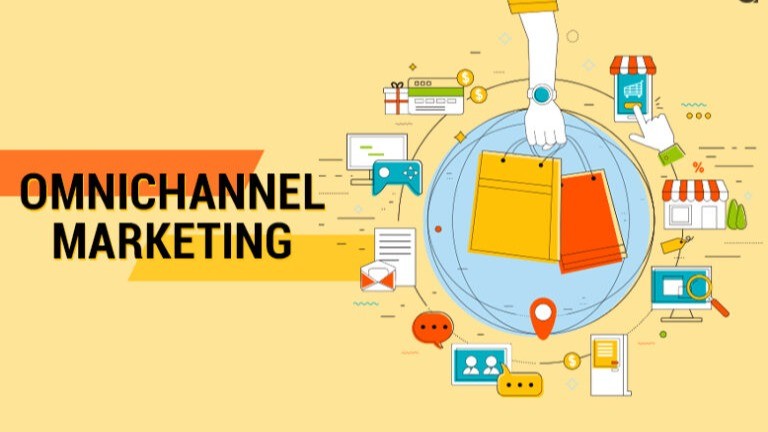

omnichannel marketing

Top Omnichannel Marketing Trends in 2025

1. Augmented Reality Shopping

AR allows customers to visualize products before buying — trying furniture in their room or seeing how clothes fit virtually. It reduces returns and boosts satisfaction.

2. Social Commerce Integration

Every scroll is now shoppable. From reels to stories, brands are embedding purchase links directly into social media experiences, blending entertainment with instant buying.

3. Zero-Party Data Revolution

Customers are willingly sharing preferences in exchange for transparent, tailored experiences. The age of privacy-focused personalization has begun.

4. Predictive Customer Journeys

AI doesn’t just react — it anticipates. Predictive analytics can suggest the next step a customer is likely to take, ensuring you’re always one move ahead.

5. Sustainability as a Brand Value

Consumers are more environmentally conscious than ever. Sustainable packaging, ethical sourcing, and green digital campaigns have become key parts of the omnichannel story.


How Primea Biz Can Help Brands Thrive in 2025

At Primea Biz, we understand that omnichannel marketing isn’t just about being everywhere — it’s about being everywhere intelligently.

Our team blends creative storytelling with advanced digital strategies to craft experiences that connect hearts, not just screens. From social media funnels to offline campaign integrations, we help businesses transform ordinary customer touchpoints into extraordinary brand relationships.

Our Expertise Includes:

  • AI-driven personalization strategies
  • Cross-platform analytics integration
  • Voice and chat marketing automation
  • Retail-to-digital synchronization
  • Sustainable and ethical digital storytelling

Primea Biz builds the connective tissue between your online identity and offline presence, ensuring every customer interaction feels natural, valuable, and memorable.


The Future of Omnichannel Marketing

The next frontier of marketing lies not in domination of a single platform, but in harmony. The seamless dance between data and emotion, automation and authenticity, technology and touch.

By 2025 and beyond, brands that focus on experience design — not just digital presence — will be the ones that customers remember, trust, and recommend.


Conclusion

Omnichannel marketing 2025 redefines how brands and customers connect. It’s no longer about platforms; it’s about people. About crafting a journey where online precision meets offline warmth.

For businesses ready to step into the future, the message is clear: stop thinking in channels, start thinking in experiences. And if you’re ready to build that seamless bridge between digital and reality, Primea Biz is the partner that can make it happen.
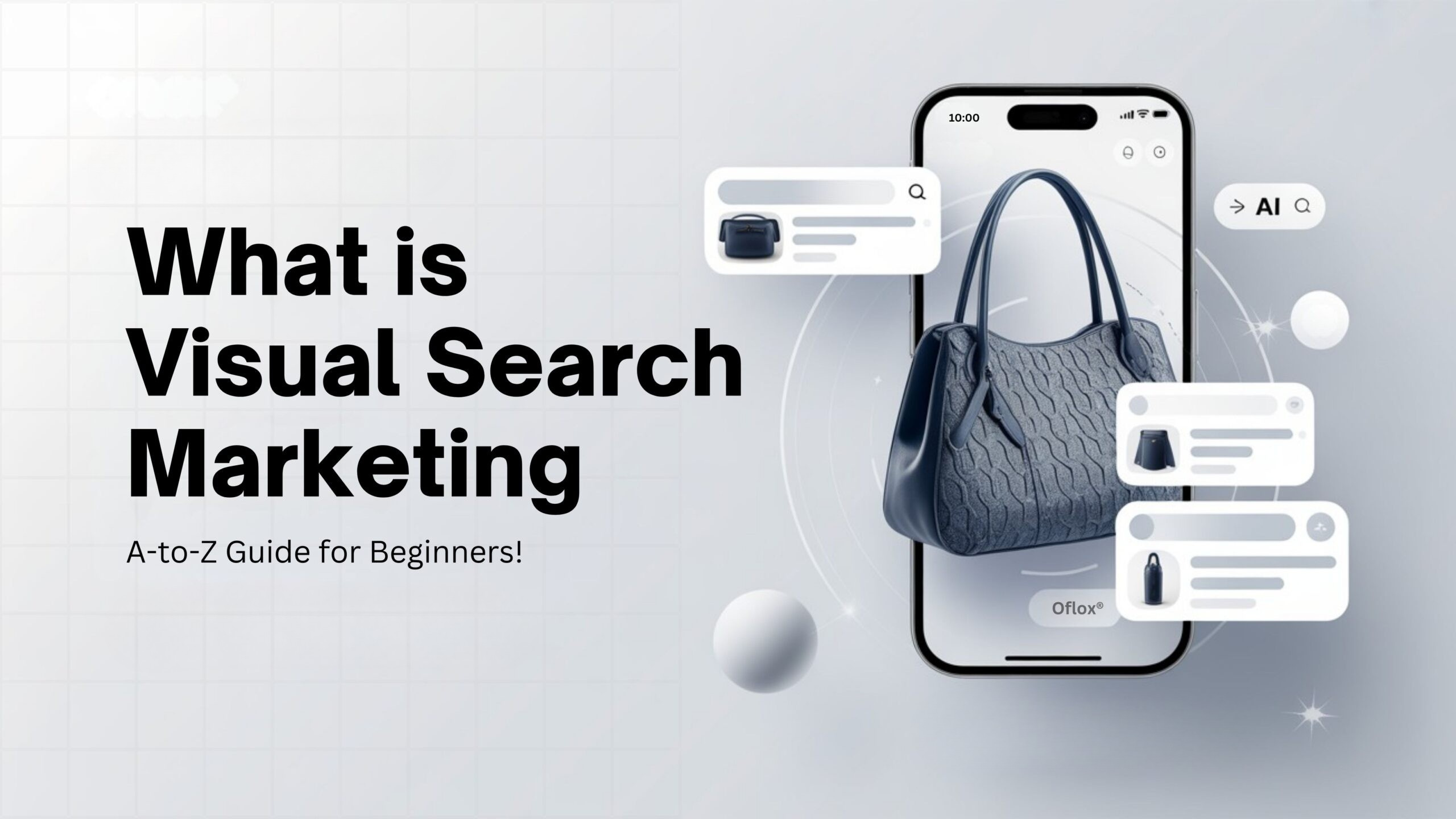
visual search marketing

Visual Search & Shoppable Images in 2025: How Brands Can Capitalize

Digital marketing is evolving, and by 2025, visual search marketing will redefine how people discover and buy products online. No more typing long queries—just snap, search, and shop. Brands that harness this shift early can dominate the AI-driven shopping landscape.

What Is Visual Search Marketing?

Visual search marketing lets users search for products using images instead of text. Upload a photo of a bag, a shoe, or a piece of furniture, and AI instantly identifies similar items across platforms.

Key trends driving growth:

  • AI-powered recognition algorithms improving accuracy.
  • Mobile adoption pushing users to snap images on the go.
  • Social commerce integrating seamless visual search experiences.

By 2025, visual search is predicted to influence billions in e-commerce transactions globally.

Why Visual Search Matters in 2025

Consumers are tired of typing long queries or scrolling endlessly. Visual search offers:

  • Instant gratification: Find what you see, faster.
  • Higher engagement: Users interact more with visual content.
  • Personalized experiences: AI suggests products based on image context and user behavior.

Quick Stats (to flex authority)

  • 62% of Gen Z shoppers prefer image-based search over text-based search.
  • Brands implementing visual search see up to 30% increase in conversions.
  • Social commerce platforms like Instagram and Pinterest report 3x higher engagement with shoppable images.

Shoppable Images: Turning Content into Commerce

Shoppable images are clickable visuals where every product can be purchased instantly. They blur the line between discovery and checkout.

Why they matter for brands:

  • Shorter purchase paths: Users go from interest to purchase in seconds.
  • Data-driven insights: Track clicks, conversions, and popular visuals.
  • Enhanced brand storytelling: Beautiful content now directly drives revenue.

Examples:

  • A fashion brand posts a street-style photo where every outfit piece is shoppable.
  • A furniture store shares a living room setup on Instagram; users can buy individual items instantly.

How Brands Can Capitalize

  1. Optimize your visuals: High-resolution, well-lit images increase discovery chances. AI loves clean, focused visuals.
  2. Add structured data: Metadata helps AI understand products, boosting search accuracy.
  3. Leverage AR and 3D: Interactive experiences like virtual try-ons make shopping immersive.
  4. Use social commerce platforms: Instagram, Pinterest, and TikTok are hubs for shoppable images.
  5. SEO for images: Alt text, captions, and descriptive filenames improve visibility in visual search.

Bonus Tip: User-Generated Content

Encourage customers to post their photos with your products. Not only does this create social proof, but it also fuels your visual search database with authentic content.

Future Outlook

By 2025, ignoring visual search and shoppable images is like ignoring Google in 2005. Consumers want instant, intuitive shopping. Brands that fail to adapt risk losing engagement, relevance, and revenue.

Predicted trends:

  • AI will suggest products even before users search for them, predicting needs from uploaded images.
  • Voice and visual search will merge, allowing queries like “Find shoes like this” with both spoken and visual input.
  • E-commerce platforms will prioritize shoppable content for higher visibility.

Takeaway

Visual search marketing in 2025 isn’t optional—it’s inevitable. Shoppable images turn engagement into measurable sales, while AI-driven search makes discovery effortless. Brands that embrace this now can ride the wave of visual commerce, delighting users and boosting ROI.

answer engine optimization

Answer Engine Optimization 2025: Preparing for AI-Driven Search

The digital marketing world is transforming faster than ever, and search engines are evolving from keyword-driven tools to AI-powered answer engines. In 2025, users don’t just want links—they want instant, precise answers. This is where Answer Engine Optimization (AEO) becomes a game-changer for businesses looking to dominate online visibility.

At Primea Biz, we focus on helping brands navigate this AI-driven shift, ensuring your content is optimized to deliver answers that search engines love and users trust.


What is Answer Engine Optimization (AEO)?

Answer Engine Optimization (AEO) is the art and science of optimizing digital content so that AI-powered search engines can provide direct, relevant answers rather than just displaying a list of links.

Key points:

  • Beyond Keywords: Unlike traditional SEO, which relies heavily on specific keywords, AEO emphasizes user intent and context.
  • AI-Friendly Content: AI systems like Google’s MUM, Bing AI, and ChatGPT analyze content for clarity, structure, and accuracy.
  • Focus on Questions: AEO targets the actual questions users ask, providing immediate solutions.

In simple terms, AEO is about being the best answer, not just a result.


Why AEO is Critical in 2025 ?

  1. AI-Driven Search Dominates
  • The rise of AI search assistants is changing user behavior. People expect answers in seconds, not a scroll through multiple links.
  • AI systems prefer content that is clear, structured, and concise—making AEO essential for visibility.
  1. Voice & Visual Search Growth
  • With the explosion of voice assistants and visual search tools, users now ask questions conversationally.
  • AEO ensures your content can be understood by voice AI and image-based searches, increasing reach.
  1. Enhanced User Experience
  • AEO reduces bounce rates by delivering relevant answers instantly.
  • Users engage more with content that resolves their queries quickly, boosting site authority.
  1. Competitive Advantage
  • Early adoption of AEO can position your brand as innovative and future-ready.
  • Businesses leveraging AEO gain higher visibility in featured snippets, knowledge panels, and AI-generated answer boxes.

Key Strategies for Effective Answer Engine Optimization 2025

To dominate AI-driven search in 2025, businesses need to adapt their content strategy. Here’s how:

  1. Structured Data Markup
  • Use schema.org and JSON-LD to help search engines understand your content.
  • Structured data makes it easier for AI to extract answers quickly, improving chances of appearing in featured snippets.
  1. Content Clarity and Conciseness
  • Write content that directly answers questions.
  • Avoid fluff; AI prefers precise, informative sentences.
  1. Target Long-Tail Question Keywords
  • Identify natural user queries using tools like AnswerThePublic, SEMrush, or ChatGPT.
  • Examples: “What is answer engine optimization 2025?” or “How to optimize content for AI search in 2025?”
  1. AI-Friendly Formatting
  • Use bullet points, numbered lists, and FAQ sections.
  • Clear headings (H2, H3) help AI understand context and structure content for answer boxes.
  1. Continuous Content Updates
  • AI-driven search favors fresh, accurate, and relevant content.
  • Regularly update blog posts and guides to maintain authority in your niche.

Benefits of AEO for Your Business

Adopting AEO can redefine your digital marketing success:

  • Higher Search Visibility: Direct answers increase the likelihood of appearing in featured snippets and voice searches.
  • Improved Engagement: Users spend more time on pages that solve their queries instantly.
  • Stronger Authority: Well-optimized answers build your brand as a trustworthy source.
  • Better Conversion Rates: Users who get answers quickly are more likely to take action, whether it’s signing up, purchasing, or contacting your business.

Implementing AEO: Best Practices

Here’s a step-by-step approach for businesses:

  1. Audit Existing Content
  • Identify pages where users have questions.
  • Revise content to make answers clear, concise, and structured.
  1. Use AI Tools for Research
  • Tools like ChatGPT can generate question-driven content ideas.
  • Analyze search intent and adjust content to match user queries.
  1. Integrate FAQs and How-Tos
  • AI loves FAQ sections.
  • Include common questions and provide short, actionable answers.
  1. Leverage Multimedia
  • Images, charts, and videos can enhance contextual understanding for AI.
  • Optimize alt text and descriptions for search engine readability.
  1. Track Performance
  • Monitor visibility in featured snippets and AI answer boxes.
  • Use tools like Google Search Console to track query performance and engagement metrics.

How Primea Biz Can Help You Master AEO

At Primea Biz, we specialize in modern digital marketing and AI-ready SEO strategies. We help businesses:

  • Optimize content for Answer Engine Optimization 2025.
  • Implement structured data and schema markup.
  • Create FAQ-rich, AI-friendly content to capture featured snippets.
  • Track and refine AI search performance to stay ahead of competitors.

Our team ensures your business not only ranks but dominates AI-driven search, providing your audience with quick, reliable answers.


The Future of SEO is AEO

The digital search landscape is shifting from keywords to answers. AI-driven systems are redefining how users interact with information. Businesses that embrace Answer Engine Optimization 2025 will enjoy:

  • Smarter visibility in search results
  • Increased engagement and brand trust
  • Higher conversion rates from answer-focused search queries

The message is clear: adapt to AEO now or risk being left behind in the AI-driven search era.


Conclusion

2025 marks the year of AI-driven search dominance, and Answer Engine Optimization is no longer optional—it’s essential. By focusing on structured, clear, and user-focused content, businesses can stay visible, relevant, and competitive.

Let Primea Biz guide your brand into the future of search, where every query is an opportunity, and every answer is a chance to win customer trust and engagement.

migrating legacy systems to cloud-native architecture

From Code to Cloud: Migrating Legacy Systems to Cloud-Native Architecture

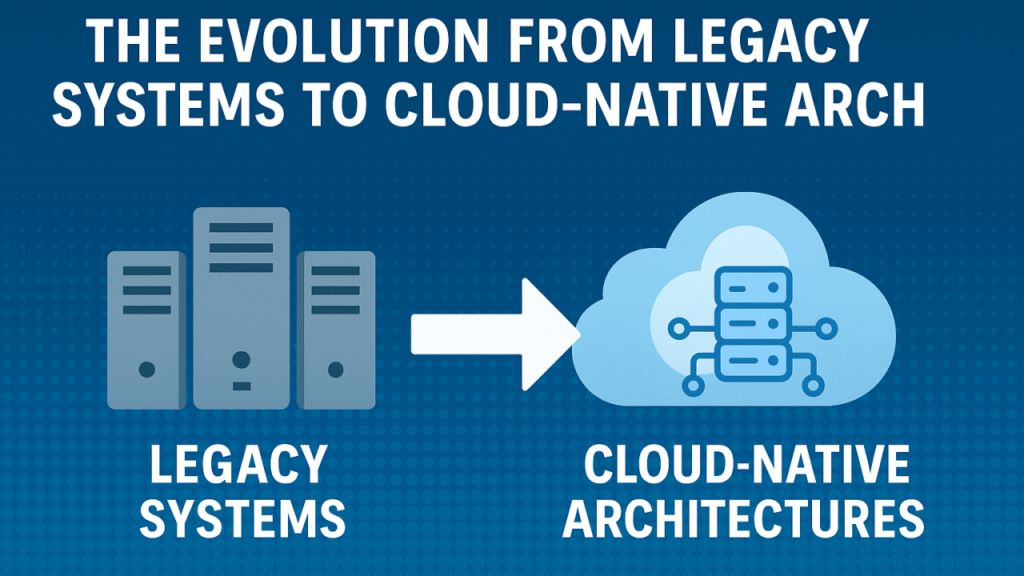
In 2025, the shift from outdated, on-premise systems to scalable, flexible cloud-native solutions is not just a trend—it’s a necessity. As technology evolves, businesses relying on legacy infrastructure face challenges like high maintenance costs, limited scalability, and reduced agility. That’s why migrating legacy systems to cloud-native architecture has become a strategic priority for organizations looking to stay competitive, innovate faster, and improve operational efficiency.

This guide explores what cloud-native architecture is, why legacy systems are holding businesses back, and how to approach a successful migration in 2025.


What Is Cloud-Native Architecture?

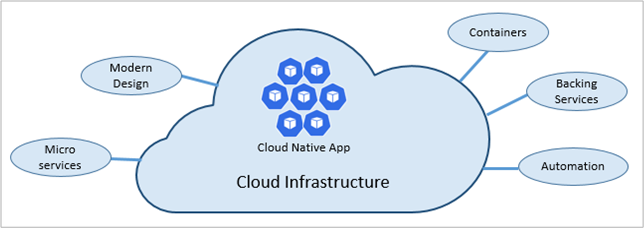
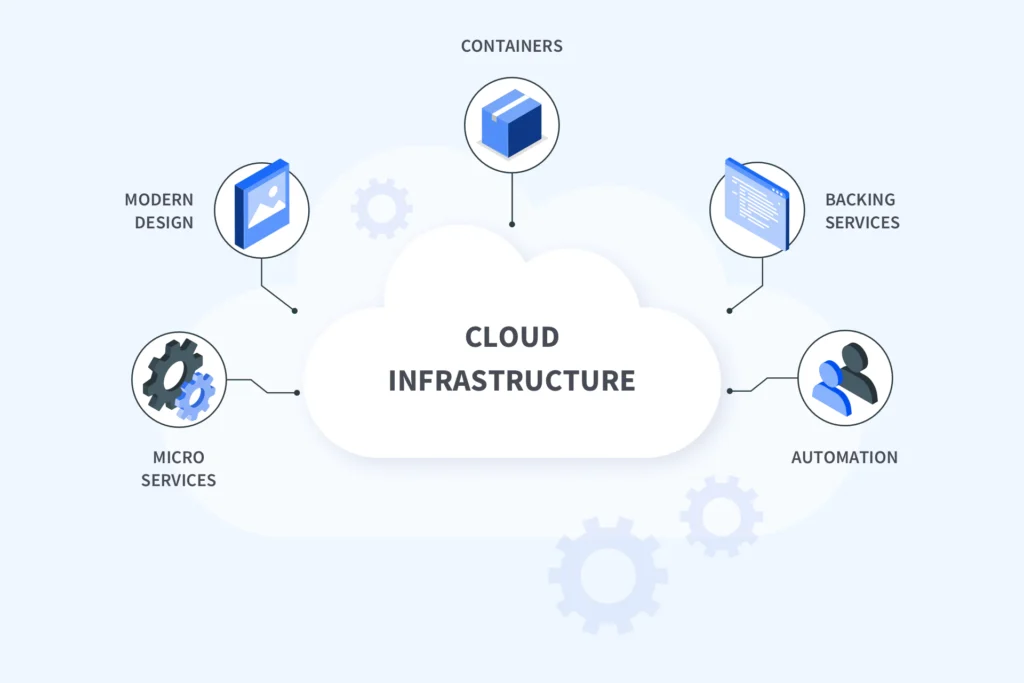
Cloud-native architecture is a modern approach to building and running applications that fully leverage the advantages of the cloud. It involves:

  • Microservices-based development
  • Containerization (e.g., Docker, Kubernetes)
  • Dynamic orchestration
  • Automated scaling and deployment
  • Continuous integration and delivery (CI/CD)

Unlike traditional monolithic systems, cloud-native applications are designed for flexibility, resilience, and performance in cloud environments—whether public, private, or hybrid.


migrating legacy systems to cloud-native architecture

Why Legacy Systems Are a Problem in 2025

Legacy systems—built decades ago—are often:

  • Difficult to scale and modify
  • Costly to maintain
  • Incompatible with modern APIs and tools
  • Security risks due to outdated protocols
  • Barriers to innovation and agility

For SMEs and enterprises alike, sticking with legacy software in 2025 means falling behind competitors who are leveraging cloud-native technology for automation, AI integration, and faster deployment.


Benefits of Migrating Legacy Systems to Cloud-Native Architecture

1. Improved Scalability

Cloud-native systems scale automatically based on demand. This means better performance during traffic spikes and cost savings during slow periods.

2. Faster Deployment Cycles

With DevOps and CI/CD pipelines, updates and features can be rolled out in hours or days—instead of weeks or months.

3. Lower Operational Costs

Cloud-native applications reduce the need for physical infrastructure and dedicated IT staff, while also improving resource efficiency through pay-as-you-go models.

4. Enhanced Security and Compliance

Cloud providers offer built-in security features, data encryption, identity access management (IAM), and compliance with standards like GDPR, HIPAA, and ISO 27001.

5. Greater Innovation and Agility

Modern cloud platforms support rapid prototyping, integration with AI/ML, and third-party services—allowing businesses to innovate faster.


Key Challenges of Migrating Legacy Systems in 2025

Despite its benefits, migration comes with challenges:

  • Complex system dependencies
  • Downtime risks
  • Data migration accuracy
  • Staff skill gaps
  • Initial migration cost

That’s why a well-planned strategy is critical.


Phases of a Successful Legacy-to-Cloud Migration

1. Assessment and Planning

  • Evaluate existing infrastructure
  • Identify business goals and application dependencies
  • Choose the right cloud strategy: rehosting, replatforming, or refactoring

2. Choosing the Right Cloud Model

  • Public Cloud (e.g., AWS, Azure, Google Cloud) – cost-effective and scalable
  • Private Cloud – for businesses with strict data control needs
  • Hybrid Cloud – combines the best of both worlds

3. Re-Architecting or Refactoring

This involves breaking down monolithic applications into microservices, containerizing them, and ensuring compatibility with modern APIs and cloud tools.

4. Data Migration and Testing

Securely migrate data while maintaining integrity. Use testing environments to identify and fix issues before going live.

5. Deployment and Monitoring

Once deployed, monitor performance using cloud-native tools (like AWS CloudWatch or Azure Monitor), and set up alerts for anomalies or downtimes.


migrating legacy systems to cloud-native architecture

Popular Tools & Technologies in 2025

  • Kubernetes – for container orchestration
  • Docker – for containerization
  • Terraform – infrastructure as code (IaC)
  • AWS Lambda / Azure Functions – for serverless applications
  • CI/CD pipelines – GitHub Actions, Jenkins, GitLab CI
  • API gateways – for managing microservices communication

Industries Leading the Shift to Cloud-Native

  • Finance – for real-time transactions and data security
  • Healthcare – for scalable, secure patient data systems
  • Retail – for personalized, data-driven customer experiences
  • Logistics – for dynamic tracking and automated workflows
  • EdTech – for scalable learning platforms and integrations

Real-World Example: SME Cloud Migration in Action

An SME operating a legacy inventory system transitioned to a cloud-native solution using microservices. By migrating to AWS and refactoring its backend, it achieved:

  • 40% faster page loads
  • 60% reduction in server costs
  • Zero downtime during sales peaks
  • Easier integration with e-commerce platforms and CRMs

This transformation enabled faster decision-making, better customer experience, and long-term savings.


Best Practices for Migrating Legacy Systems in 2025

  1. Set clear goals aligned with business needs.
  2. Start small with low-risk systems before full migration.
  3. Train your team or hire a cloud migration partner.
  4. Leverage automation for testing, deployment, and monitoring.
  5. Maintain compliance and data governance throughout the process.
  6. Ensure rollback plans are in place in case of failure.

Conclusion

Migrating legacy systems to cloud-native architecture is no longer a luxury—it’s a necessity in 2025. Businesses that make the shift gain competitive advantages in performance, scalability, cost-efficiency, and innovation. While the migration process requires careful planning, the long-term payoff is substantial.

If your organization still relies on legacy systems, now is the time to modernize and future-proof your infrastructure.

rise of microinfluencer

The Rise of Micro-Influencer Networks in 2025: Why Small Creators Win Big

The digital world has changed — and so has the meaning of influence. Once upon a time, brands lined up behind celebrities and mega influencers with millions of followers, hoping their glittering fame would translate into sales. But in 2025, the tables have turned. The real power lies in the hands of micro-influencers — creators with smaller, highly engaged communities who drive genuine conversations, not just impressions.

In the evolving landscape of micro influencer marketing 2025, authenticity is the new currency, and small creators are the ones cashing in. They’re not just reshaping marketing strategies; they’re redefining what trust means in the digital age.


1. What Are Micro-Influencers?

Micro-influencers are digital creators with 1,000 to 100,000 followers, often operating within niche communities. From beauty and tech to sustainable living and fitness, these individuals have carved out loyal audiences who value their opinions and recommendations.

  • They’re relatable, not unreachable.
  • They share real-life experiences instead of scripted ads.
  • They connect directly with their audience, responding to comments and messages.

This intimacy and authenticity make them far more influential than celebrity endorsements that often feel distant or transactional.


2. Why 2025 Belongs to Micro-Influencers

The shift toward micro-influencers didn’t happen overnight. As the online space became more saturated with polished, paid promotions, audiences began craving real voices and raw authenticity. In 2025, brands finally caught on — realizing that smaller creators often outperform the bigger names in engagement, conversions, and cost-effectiveness.

Key reasons why micro influencer marketing 2025 is booming:

  • Higher Engagement: Micro-influencers generate 3–5x more engagement than macro influencers.
  • Authentic Storytelling: Their content feels like a recommendation from a friend.
  • Affordable Partnerships: They fit into almost any brand budget.
  • Targeted Reach: They cater to niche audiences, resulting in better ROI.

In short, brands are done chasing reach; they’re now chasing relationships.


3. The Rise of Micro-Influencer Networks

Here’s where things get exciting. Instead of partnering with one big influencer, brands in 2025 are building micro-influencer networks — groups of small creators working collectively to amplify brand stories.

These networks bring unmatched advantages:

  • Diverse Audiences: Reach multiple regions, demographics, and interests at once.
  • Community Impact: When several trusted creators promote the same brand, credibility skyrockets.
  • Scalability: Campaigns can easily expand by adding more creators.

The collective power of micro-influencer networks allows brands to grow organically, spreading awareness like ripples in a digital pond — one authentic post at a time.


4. Technology & AI: The Game Changer

In 2025, technology is fueling micro influencer marketing like never before. Artificial Intelligence (AI) and advanced analytics are helping brands identify the right creators and measure the real impact of collaborations.

AI-driven tools now:

  • Analyze audience behavior to match brands with ideal influencers.
  • Track sentiment and engagement quality beyond vanity metrics.
  • Automate campaign management and reporting.

This marriage of creativity and data means influencer marketing is no longer a guessing game — it’s a science backed by measurable insights. Brands know exactly where their money goes, and creators get fairer deals based on transparent performance metrics.


5. Why Audiences Trust Micro-Influencers

The biggest reason behind the rise of micro influencer marketing 2025 is simple: trust.

People don’t just follow micro-influencers for content; they follow them for connection. These creators often share real struggles, daily routines, and personal victories. They’re not celebrities promoting ten brands a week — they’re your digital friend recommending something that genuinely works.

Consumers trust them because:

  • Their content is raw and real, not heavily produced.
  • They engage directly — replying to comments, answering questions.
  • They maintain authentic relationships with followers.

That authenticity turns influence into impact. When a micro-influencer says a product works, people believe it — and act on it.


6. The Brand Perspective: Why Small Creators Deliver Big Wins

From startups to established enterprises, every brand now recognizes the value of smaller creators. Here’s why partnering with micro-influencers makes strategic sense:

  • Better ROI: Lower cost per post and higher conversions mean more value for money.
  • Long-Term Partnerships: Brands can build lasting relationships rather than one-off endorsements.
  • Localized Reach: Ideal for hyperlocal marketing or region-specific campaigns.
  • Authentic Word-of-Mouth: Feels like natural storytelling instead of scripted promotion.

Brands that adopt micro influencer marketing 2025 early are already seeing results — higher engagement, improved brand loyalty, and organic growth.


7. How Micro-Influencers Shape Consumer Behavior

Consumers in 2025 are smarter than ever. They can spot inauthentic ads instantly. Micro-influencers bridge the gap between commerce and community by inspiring behavioral shifts, not just purchases.

They influence:

  • Lifestyle Choices: Health, fashion, sustainability, and self-care trends.
  • Brand Perception: They humanize brands through consistent storytelling.
  • Consumer Loyalty: They keep audiences emotionally invested.

Instead of shouting into the void, micro-influencers spark conversations that resonate deeply — the kind that translates into real-world decisions.


8. The Future of Micro Influencer Marketing 2025 & Beyond

The future looks bright — and deeply human. Expect to see:

  • Collaborative Campaigns: Micro-influencer collectives co-creating content with brands.
  • AI-Powered Personalization: Campaigns tailored to micro-niches and subcultures.
  • UGC (User-Generated Content) Dominance: Brands amplifying influencer-created posts as ads.
  • Hybrid Influencer Models: Integration of AR, AI avatars, and real creators.

The next phase of influencer marketing won’t be about who has the loudest voice, but who builds the strongest connection. And that’s exactly where micro-influencers shine.


9. Primea Biz Insight: Driving the Micro-Influencer Revolution

At Primea Biz, we believe the future of marketing lies in human connection. As a forward-thinking digital marketing company, we help brands tap into the potential of micro influencer marketing 2025 through:

  • Data-driven influencer discovery.
  • Customized collaboration strategies.
  • AI-enhanced campaign tracking and performance analytics.

Our goal is simple — help businesses grow through authenticity, creativity, and real connections. Whether you’re a startup or a global enterprise, micro-influencers can bring your story to life in ways traditional ads never could.

Primea Biz bridges the gap between brands and communities — because in 2025, the power of influence doesn’t come from fame, but from trust.


Conclusion: Small Creators, Big Impact

The digital marketing landscape of 2025 belongs to those who understand the art of connection. Micro-influencers may not have millions of followers, but they hold something far more valuable — credibility.

As micro influencer marketing 2025 continues to evolve, brands that prioritize authenticity will win. And those who partner with genuine creators will see not just clicks or likes, but long-term customer relationships.

In a world overflowing with content, it’s the quiet, honest voices that rise above the noise. The age of micro-influencers isn’t coming — it’s already here, reshaping the future one genuine post at a time.

chatbots and conversational AI for SMEs

Chatbots and Conversational AI: How They’re Changing Customer Support for SMEs

In 2025, customer support is no longer limited to call centers and email chains. With the rise of chatbots and conversational AI for SMEs, small and medium-sized businesses now have access to intelligent, scalable, and cost-effective support solutions that were once only available to large enterprises. These technologies are revolutionizing the way SMEs interact with their customers—offering faster response times, 24/7 availability, and personalized experiences.

This blog explores how chatbots and conversational AI are transforming customer service for SMEs and why integrating them into your business strategy in 2025 is a smart move.


What Are Chatbots and Conversational AI?

Before diving into their impact, let’s clarify the terms:

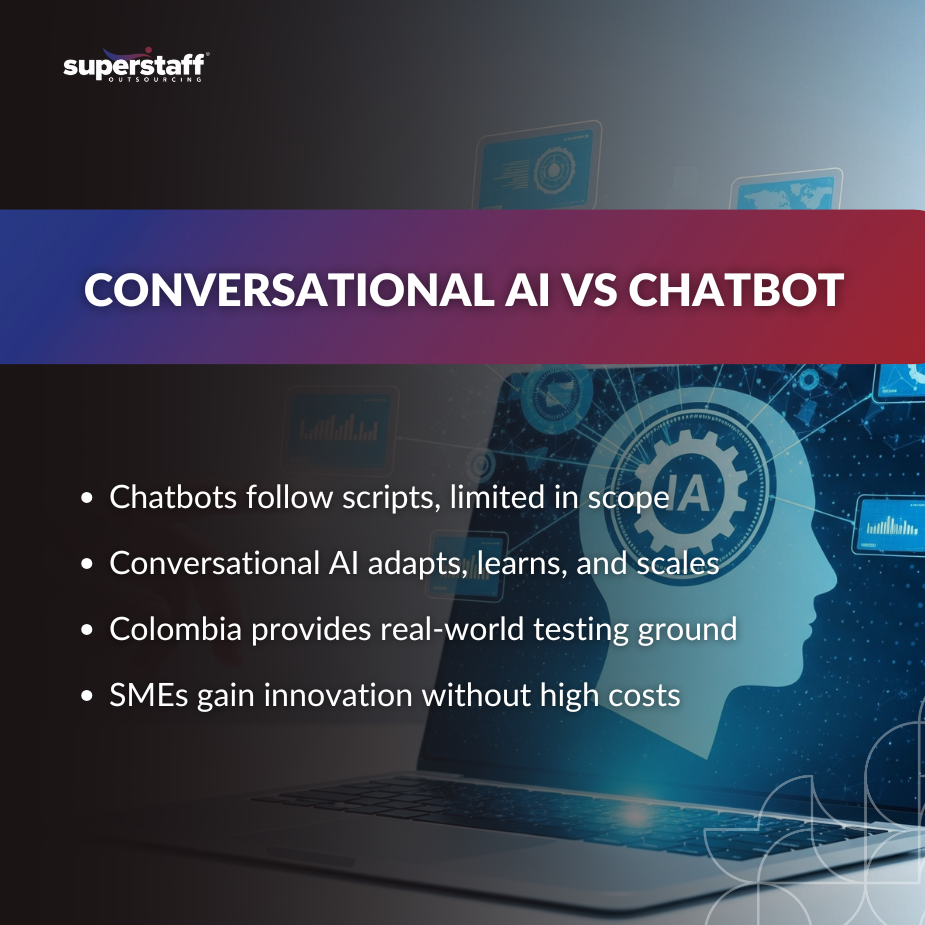
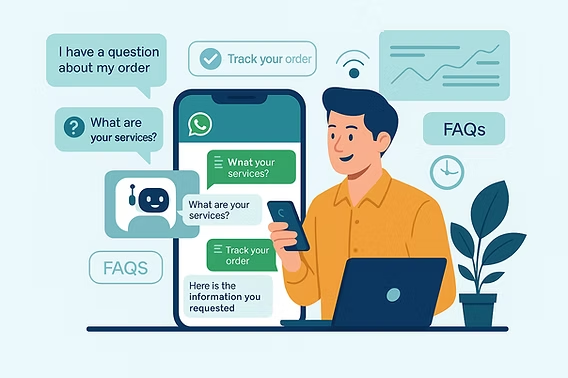
  • Chatbots are software applications that simulate human-like conversations through text or voice interfaces. They’re commonly used on websites, apps, and messaging platforms to answer FAQs, guide users, or handle basic customer service tasks.
  • Conversational AI goes beyond traditional chatbots. It uses advanced technologies like natural language processing (NLP) and machine learning (ML) to understand context, intent, and even emotion—allowing for more human-like, intelligent interactions.

Together, they create seamless, automated experiences that reduce the workload on human support teams and improve customer satisfaction.


chatbots and conversational AI for SMEs

Why SMEs Are Adopting Chatbots and Conversational AI in 2025

In the past, SMEs hesitated to adopt AI tools due to high costs and technical complexity. But in 2025, cloud-based platforms and affordable AI-as-a-service models have made this technology accessible and easy to integrate.

Key benefits for SMEs include:

  • Reduced operational costs
  • 24/7 customer support without extra staffing
  • Instant response time
  • Scalable customer service during peak hours
  • Improved lead generation and sales automation

These advantages are driving rapid adoption of chatbots and conversational AI for SMEs across industries like e-commerce, healthcare, education, and professional services.


How Chatbots Improve Customer Support for SMEs

1. 24/7 Availability

Unlike human agents, chatbots don’t sleep. They provide real-time assistance round the clock, ensuring your customers get help whenever they need it—even after hours, on weekends, and during holidays.

2. Instant Response Times

Customers expect fast answers. Chatbots can instantly respond to routine questions, improving user satisfaction and reducing bounce rates.

3. Handling High Volume Inquiries

During product launches, campaigns, or seasonal sales, support teams can get overwhelmed. Chatbots scale automatically, handling multiple conversations at once without compromising quality.

4. Reducing Human Workload

By handling repetitive queries—like order tracking, store hours, or refund policies—chatbots free up your human agents to focus on complex, high-priority cases.

5. Cost-Effective Operations

Instead of hiring and training a large support team, SMEs can deploy chatbots at a fraction of the cost, reducing overhead while improving service.


Conversational AI: Taking It a Step Further

While chatbots are ideal for predefined responses, conversational AI introduces intelligence and personalization. Here’s how it enhances support:

1. Understanding Context and Intent

Conversational AI can understand the nuances of human speech, including slang, spelling errors, and multiple intents within a sentence. This enables it to provide more accurate responses.

2. Multi-Language Support

In 2025, AI-powered bots can handle conversations in multiple languages, allowing SMEs to serve global audiences without hiring multilingual staff.

3. Learning Over Time

With machine learning, conversational AI tools improve continuously. They learn from user interactions, becoming smarter and more efficient over time.

4. Seamless Integration

Modern conversational AI platforms integrate with CRMs, ecommerce platforms, and helpdesks—creating a unified customer view and enabling personalized support.


Popular Use Cases for SMEs in 2025

SMEs across industries are leveraging chatbots and conversational AI in practical ways:

  • E-commerce: Order tracking, product recommendations, returns
  • Healthcare: Appointment scheduling, patient FAQs, reminders
  • Real estate: Property inquiries, appointment bookings
  • Education: Student enrollment, FAQs, course information
  • Financial services: Account queries, loan calculators, lead qualification

Challenges to Consider

Despite their advantages, these technologies are not without challenges:

  • Initial setup and training require time and strategy.
  • Over-reliance on bots without human fallback can frustrate users.
  • Data privacy and security must be prioritized, especially when handling personal information.

That’s why it’s important to choose a platform that balances automation with human support and complies with relevant data protection regulations.


chatbots and conversational AI for SMEs

Best Practices for SMEs Implementing Chatbots in 2025

  1. Start Small: Begin with FAQs or lead generation, then expand functionality.
  2. Keep the Conversation Natural: Use a friendly tone and ensure the bot doesn’t sound robotic.
  3. Offer Human Escalation: Always provide an option to connect with a live agent when needed.
  4. Track and Optimize: Use analytics to understand user behavior and improve your chatbot’s performance.
  5. Ensure Mobile Optimization: Your bot should work seamlessly on mobile devices where most users interact.

The Future of Customer Support for SMEs

Looking ahead, AI-driven support is only going to grow more powerful. Voice bots, emotion detection, and hyper-personalized experiences will become standard. SMEs that embrace these tools now will gain a strong competitive edge in efficiency, customer satisfaction, and brand loyalty.


Conclusion

Chatbots and conversational AI for SMEs are no longer optional—they’re essential tools for modern customer service in 2025. They help small and medium businesses deliver enterprise-level support without the costs or complexity. From improving response times to increasing efficiency and customer satisfaction, the impact is clear.

If you’re an SME looking to scale your support without scaling your team, adopting conversational AI is a step in the right direction.

Website Performance & UX

Website Performance & UX: Why It Matters for Conversion Rates in 2025

In 2025, website performance and user experience (UX) are more critical than ever for businesses looking to maximize conversion rates. A fast, seamless, and intuitive website not only attracts visitors but also keeps them engaged, encouraging them to take desired actions like making purchases or signing up for services. This blog will explore why website performance and UX directly impact conversion rates and how optimizing these factors can drive business growth in 2025.


What is Website Performance?

Website performance refers to how quickly and efficiently your website loads and responds to user interactions. Key metrics include page load time, server response time, and rendering speed. A slow website frustrates visitors, increasing bounce rates and reducing conversions.


Website Performance & UX

Why User Experience (UX) Matters in 2025

User experience encompasses all aspects of a visitor’s interaction with your website—from navigation and design to accessibility and content clarity. Good UX ensures visitors find what they need quickly and effortlessly, building trust and encouraging engagement.


How Website Performance Affects Conversion Rates

  • Faster Load Times = Higher Conversions: Research shows that even a one-second delay can reduce conversions by up to 7%.
  • Mobile Optimization: With mobile traffic dominating, responsive and fast-loading sites are crucial.
  • Reduced Bounce Rates: Slow or confusing sites push visitors away before they convert.

The Role of UX in Boosting Conversions

  • Clear Call-to-Actions (CTAs): Well-designed CTAs guide users to the next step.
  • Easy Navigation: Simplified menus and search functions help users find products or information fast.
  • Trust Signals: Testimonials, reviews, and secure payment badges increase buyer confidence.

Best Practices to Improve Website Performance and UX in 2025

  1. Optimize Images and Media: Compress files without losing quality.
  2. Use a Content Delivery Network (CDN): Serve content quickly worldwide.
  3. Implement Lazy Loading: Load images and videos only when they appear on the screen.
  4. Streamline Navigation: Use intuitive menus and reduce clutter.
  5. Test Regularly: Use tools like Google PageSpeed Insights and UX testing platforms.

Conclusion

Website performance and user experience are powerful drivers of conversion rates in 2025. Investing in speed, responsive design, and intuitive UX not only improves customer satisfaction but also significantly boosts your business’s bottom line. Don’t let slow load times or poor UX hold your business back — prioritize these elements to stay competitive and grow in 2025.

Mobile App vs PWA 2025

Mobile App vs Progressive Web App 2025: Which is Right for Your Business?

In today’s mobile-first world, choosing between a mobile app vs progressive web app 2025 is a critical decision for businesses aiming to boost customer engagement and digital reach. With mobile usage at an all-time high, businesses must decide whether a traditional mobile app or a Progressive Web App (PWA) is the smarter investment. In this guide, we’ll compare both options to help you decide which one suits your business goals, budget, and user needs best in 2025.


Understanding the Differences: Mobile App vs Progressive Web App 2025

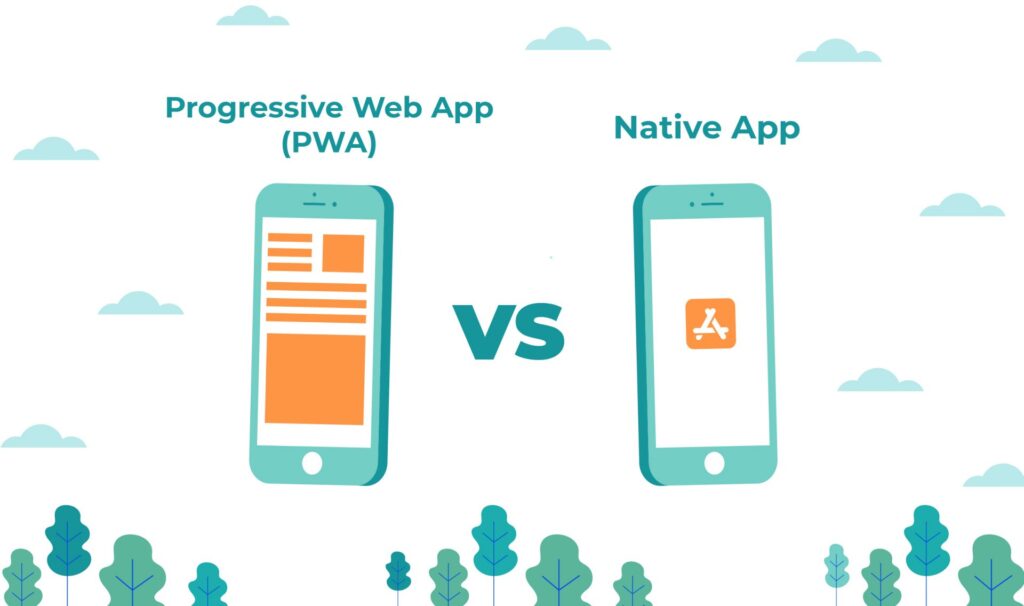
Both mobile apps and progressive web apps help businesses connect with customers on smartphones and tablets — but they work differently.

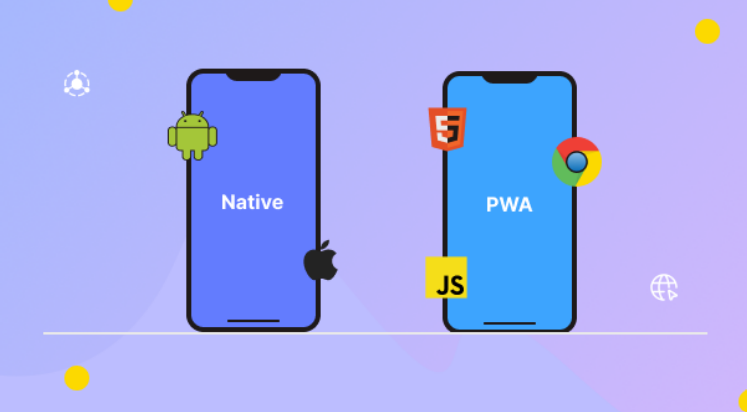
  • Mobile apps are downloaded from app stores (Google Play or Apple App Store) and run natively on a device.
  • Progressive Web Apps (PWAs) are web applications that behave like mobile apps but run directly in a browser.

In 2025, both technologies are widely used, and the right choice depends on factors like budget, features, target audience, and business model.


Mobile App vs PWA 2025

Pros and Cons of Mobile Apps in 2025

Advantages of Mobile Apps:

  • Full access to device features (camera, GPS, Bluetooth, sensors, offline support).
  • Better performance (especially for games and feature-heavy applications).
  • App store visibility for brand awareness and downloads.
  • Push notifications and deeper customer engagement.

Challenges of Mobile Apps:

  • Higher development and maintenance costs (especially for both Android and iOS).
  • App store approval can delay updates or rejections.
  • Requires installation, which creates user friction.
  • Larger file size may discourage some users from downloading.

Pros and Cons of Progressive Web Apps (PWAs) in 2025

Advantages of PWAs:

  • Cost-effective: One codebase works across all platforms.
  • No installation required: Users can access the PWA directly via a browser.
  • Fast time-to-market due to simplified development.
  • Lightweight and fast loading, ideal for low-data or low-end devices.
  • Automatic updates — no app store delays.

Challenges of PWAs:

  • Limited access to certain device features, especially on iOS.
  • Not listed in app stores by default (though optional now via platforms like Google Play).
  • User awareness is still lower compared to traditional apps.
  • Inconsistent support for features like push notifications across browsers.

Key Considerations When Choosing a Mobile App vs PWA in 2025

Your decision depends on various factors. Here are the most important ones:

1. Budget and Timeline

  • PWAs are generally faster and cheaper to develop and maintain.
  • Mobile apps often require two separate versions (iOS and Android), increasing cost and complexity.

2. Audience and Reach

  • If your users span desktop and mobile, a PWA provides a universal experience.
  • For mobile-only users who expect an app store presence, a mobile app might work better.

3. Features and Functionality

  • Mobile apps are better suited for complex features, background tasks, or heavy device usage.
  • PWAs are perfect for content delivery, forms, bookings, catalogs, and simple ecommerce.

4. Performance Requirements

  • For high-performance needs like gaming, media editing, or AR/VR, mobile apps are superior.
  • For fast, smooth browsing and shopping, PWAs perform very well in 2025.

5. User Experience and Engagement

  • Mobile apps can provide a richer experience with access to native elements.
  • PWAs now support push notifications, offline use, and home screen shortcuts, closing the UX gap.

Mobile App vs PWA 2025

Mobile App vs PWA 2025: Feature Comparison Table

FeatureMobile AppProgressive Web App (PWA)
CostHigher (iOS + Android)Lower (single build)
App Store ListingYesOptional
Device AccessFull accessLimited on some platforms
InstallationRequiredOptional
UpdatesVia app storeAuto updates
Offline SupportYesYes (via caching)
Push NotificationsYesYes (Android; limited iOS)
PerformanceHighMedium to High
Time to MarketLongerFaster

Real-World Scenarios: What’s Best for You in 2025?

You’re a Startup or Small Business

If you need to launch quickly and affordably, start with a Progressive Web App. It offers fast access, good performance, and requires no app store approvals.

You Need Advanced Features or Hardware Access

If your app needs access to deep device functions (like sensors or offline media storage), go with a native mobile app.

You Want Maximum Reach

Consider launching both a PWA and a mobile app. Use the PWA for mass access and SEO visibility, and the app for your most engaged users.

Your Target Audience Has Limited Storage/Data

In India and other emerging markets, many users prefer lightweight apps. PWAs are ideal as they’re fast, use less data, and require no download.


Conclusion

There’s no one-size-fits-all answer in 2025. The choice between a mobile app vs progressive web app 2025 depends on your business goals, user needs, and budget. PWAs have come a long way and are now suitable for many business cases, especially when time and cost are concerns. However, for feature-rich, high-performance applications, mobile apps still offer the edge.

Custom Software Development Trends in 2025

Top Custom Software Development Trends to Watch in 2025

The world of custom software development trends in 2025 is evolving faster than ever before. Businesses are adapting to new technologies that redefine how software is designed, built, and deployed. From AI-driven automation to low-code platforms and sustainable software engineering, these innovations are shaping the next generation of digital transformation. As we explore the top custom software development trends in 2025, companies like Primea Biz are leading the way in building smarter and more efficient solutions.


1. AI-Powered Custom Software Development

Artificial Intelligence (AI) is revolutionizing custom software development in 2025. Developers are now using AI-powered tools for coding, predictive analysis, and debugging to accelerate the software lifecycle.

Key Highlights:

  • AI-powered IDEs simplify coding and improve quality.
  • Predictive analytics enhances user experience.
  • Automated bug detection ensures reliable performance.

Businesses embracing AI-driven software gain faster delivery and improved scalability.


Top Custom Software Development Trends 2025

2. Low-Code and No-Code Software Development Platforms

One of the most impactful custom software development trends 2025 is the rise of low-code and no-code (LCNC) platforms. These platforms empower non-developers to create applications through simple drag-and-drop interfaces.

Why It Matters:

  • Enables rapid app prototyping.
  • Reduces dependency on complex coding.
  • Shortens the development cycle.

By 2025, nearly 65% of software solutions will rely on LCNC tools, allowing companies like Primea Biz to deliver customized software faster.


3. Cloud-Native and Serverless Custom Software

Cloud-native architectures are a cornerstone of custom software development trends in 2025. Businesses are transitioning to serverless computing for enhanced scalability and cost-effectiveness.

Benefits:

  • Lower infrastructure management.
  • Faster deployment.
  • Greater flexibility and uptime.

In 2025, cloud-native development ensures agility and long-term sustainability.


4. Cybersecurity in Custom Software Development

Security is no longer an afterthought; it’s integral to modern custom software development. The rise of DevSecOps integrates security protocols throughout the development lifecycle.

Key Strategies:

  • Automated threat detection.
  • Encrypted APIs.
  • Secure code practices.

Cybersecurity-first software guarantees compliance and user trust.


5. Sustainable and Green Software Development

Sustainability is becoming a defining part of custom software development trends 2025. Developers are optimizing code efficiency and using renewable-powered data centers to minimize digital carbon footprints.

Key Practices:

  • Energy-efficient algorithms.
  • Green hosting solutions.
  • Optimized application performance.

Companies like Primea Biz integrate sustainability into their software solutions, promoting an eco-conscious digital future.


6. Cross-Platform Software and Progressive Web Apps

As digital experiences expand, cross-platform custom software development is gaining traction. Frameworks like Flutter, React Native, and .NET MAUI enable seamless multi-device applications.

Advantages:

  • Reduced cost.
  • Consistent UI/UX.
  • Broad reach.

Progressive Web Apps (PWAs) will dominate in 2025, ensuring fast and responsive performance across devices.


Top Custom Software Development Trends 2025

7. Edge Computing in Custom Software

Edge computing continues to be one of the top custom software development trends in 2025. By processing data closer to the user, applications achieve real-time responsiveness and reduced latency.

Benefits:

  • Real-time analytics.
  • Faster data processing.
  • Enhanced IoT performance.

Edge computing supports industries like healthcare, manufacturing, and logistics, where time-sensitive data is crucial.


8. Personalized User Experience (UX) in Software Development

User-centric design remains central to custom software development trends 2025. AI and data analytics create personalized experiences that adapt to each user’s needs.

Impact Areas:

  • Dynamic dashboards.
  • Voice-assisted navigation.
  • Predictive content personalization.

Personalized UX leads to higher satisfaction and stronger engagement.


9. Blockchain Integration in Custom Software

Blockchain is extending beyond cryptocurrency into custom software development. It ensures secure, transparent, and traceable data transactions.

Use Cases:

  • Smart contracts.
  • Secure data sharing.
  • Identity verification.

In 2025, blockchain will be a vital part of trustworthy and decentralized digital systems.


10. AI-Enhanced Quality Assurance in Software Development

Quality assurance is being transformed by AI—a leading custom software development trend for 2025. AI automates testing and ensures continuous integration.

Trends in QA:

  • Predictive quality checks.
  • Smart test automation.
  • Continuous delivery pipelines.

Conclusion

The custom software development trends 2025 reflect a future where innovation, sustainability, and security converge. Companies that adopt these trends will stay competitive, agile, and future-ready.

At Primea Biz, we specialize in developing custom software solutions that embrace these trends—helping businesses innovate efficiently while maintaining a sustainable digital footprint.

Sustainable Web Design in 2025

Sustainable Web Design in 2025: Building Eco-Friendly Digital Platforms

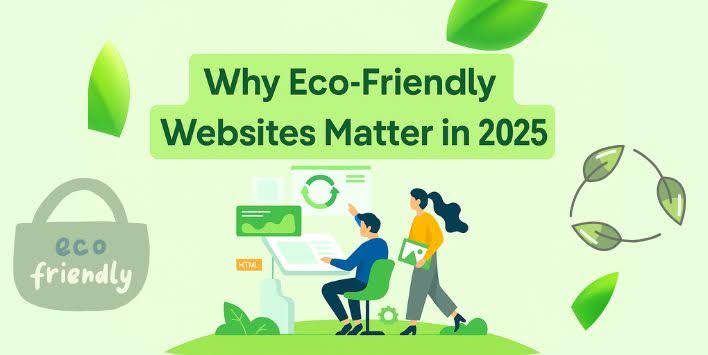
In an era where digital transformation drives every industry, sustainability has become more than just a buzzword—it’s a responsibility. As businesses strive to minimize their carbon footprint, sustainable web design emerges as a crucial step toward a greener digital future. By 2025, eco-friendly websites are not just about fast performance or sleek aesthetics; they’re about creating digital experiences that align with environmental consciousness.

This blog explores how sustainable web design in 2025 is reshaping digital ecosystems, the principles behind eco-friendly web practices, and how brands like Primea Biz can lead this transformation.


What Is Sustainable Web Design?

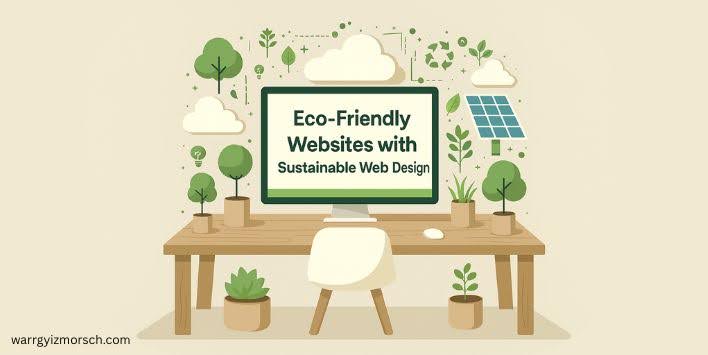
Sustainable web design refers to building websites that consume minimal energy, utilize cleaner technologies, and optimize digital resources for environmental efficiency. The goal is to reduce the carbon emissions generated through hosting, data transfer, and user interactions.

Each time a webpage loads, it consumes electricity—from the server hosting it to the user’s device displaying it. Sustainable web design minimizes this energy usage by focusing on efficient coding, optimized media, and renewable-powered hosting.


Sustainable Web Design in 2025

Why Sustainable Web Design Matters in 2025

According to global studies, the internet accounts for approximately 3.7% of global carbon emissions, nearly equal to the aviation industry. With the rapid rise of AI, video streaming, and cloud-based applications, this number is projected to increase significantly.

In 2025, sustainability in web development is no longer optional. It impacts not only the environment but also brand reputation, user trust, and SEO performance. Google’s algorithms increasingly favor fast-loading, energy-efficient, and mobile-optimized websites.


Key Principles of Eco-Friendly Web Design

To make a digital platform sustainable, businesses should focus on these essential principles:

1. Efficient Performance Optimization

Reduce data transfer by compressing images, minimizing code (HTML, CSS, JS), and using caching mechanisms. Lightweight websites not only consume less power but also load faster, improving user experience.

2. Green Hosting Solutions

Choose web hosting providers powered by renewable energy sources. Many data centers in 2025 are adopting solar and wind energy to offset carbon emissions.

3. Minimalist and Functional Design

Avoid unnecessary animations, videos, or heavy design elements that increase page weight. Simplicity enhances usability and sustainability.

4. Sustainable Development Frameworks

Use frameworks and CMS platforms that prioritize efficiency. For example, Next.js, Astro, and SvelteKit are leading frameworks focusing on performance and low resource consumption.

5. Optimized Content Delivery

Implement Content Delivery Networks (CDNs) to serve files from the nearest geographic location. This reduces latency and energy waste from long-distance data transfers.

6. Dark Mode and Energy Efficiency

Dark themes and minimal white backgrounds reduce energy usage on OLED and AMOLED screens, contributing to lower device-level power consumption.

7. Eco-Friendly UX/UI Design

Sustainable design extends to user experience. Clear navigation, accessible typography, and reduced clicks per task not only save user time but also minimize digital waste.


Sustainable Web Design in 2025

The Role of Primea Biz in Promoting Sustainable Digital Growth

As a forward-thinking digital marketing and IT consultancy, Primea Biz understands the importance of aligning technology with sustainability. The company focuses on creating SEO-friendly, fast, and performance-optimized websites that contribute to a greener digital environment.

By integrating eco-conscious principles in every web development project, Primea Biz ensures that its clients enjoy not only modern and responsive websites but also energy-efficient platforms that stand out in Google rankings.


Tools and Techniques for Sustainable Web Development

To build greener digital platforms, developers and designers can use the following tools:

  • Website Carbon Calculator – Measures the carbon footprint of your website.
  • ImageOptim – Reduces image file size without quality loss.
  • Green Web Foundation – Lists eco-friendly hosting providers.
  • Google Lighthouse – Evaluates website performance and accessibility.
  • Lazy Loading – Loads images and media only when needed, reducing energy usage.

By adopting these technologies, businesses can ensure that their online presence is sustainable and efficient.


Benefits of Sustainable Web Design for Businesses

  1. Improved SEO Performance
    Fast-loading, energy-efficient websites are favored by Google’s ranking algorithms.
  2. Enhanced User Experience
    Streamlined navigation, optimized visuals, and minimal page bloat lead to better engagement and conversion rates.
  3. Lower Operational Costs
    Reduced energy consumption and efficient hosting lower maintenance and bandwidth costs.
  4. Positive Brand Image
    Businesses that adopt sustainable digital practices position themselves as socially responsible and future-ready.
  5. Regulatory Compliance
    With global sustainability guidelines becoming stricter, adopting green web practices ensures long-term compliance.

Sustainable Web Design in 2025

How to Make Your Website Sustainable in 2025

If you want your business website to contribute to a cleaner planet, here’s a quick roadmap:

  1. Audit Your Website’s Energy Impact – Use tools like Website Carbon Calculator to measure emissions.
  2. Migrate to Green Hosting – Partner with renewable-energy-based hosting providers.
  3. Optimize Every File – Compress code, images, and fonts for minimal load.
  4. Implement Smart Caching – Reduce server calls and repeat data requests.
  5. Use Lightweight Plugins and Themes – Avoid bloated CMS extensions.
  6. Encourage Low-Impact User Behavior – Offer text-based options for videos and limit auto-play content.
  7. Monitor and Improve Continuously – Regularly test and enhance site performance.

Future of Sustainable Web Design

By 2025 and beyond, sustainability will be at the heart of digital transformation. The emergence of AI-driven optimization, serverless architectures, and carbon-neutral data centers will revolutionize how websites are designed and maintained.

Companies like Primea Biz will play a key role in promoting a culture where innovation meets responsibility—creating digital experiences that are beautiful, functional, and environmentally conscious.


Conclusion

Sustainable web design is more than a trend—it’s a necessity in the digital age. By adopting eco-friendly practices, businesses not only reduce their environmental footprint but also build faster, more efficient, and user-centric platforms.

As we move through 2025, integrating sustainability into your digital strategy is not just good for the planet—it’s good for business.